


- June 3, 2020
- Parisian theatre
- Sam Asher
-
-


Blog last updated on 5 August 2025.
The Deeper Meaning Behind a Performer's Bow
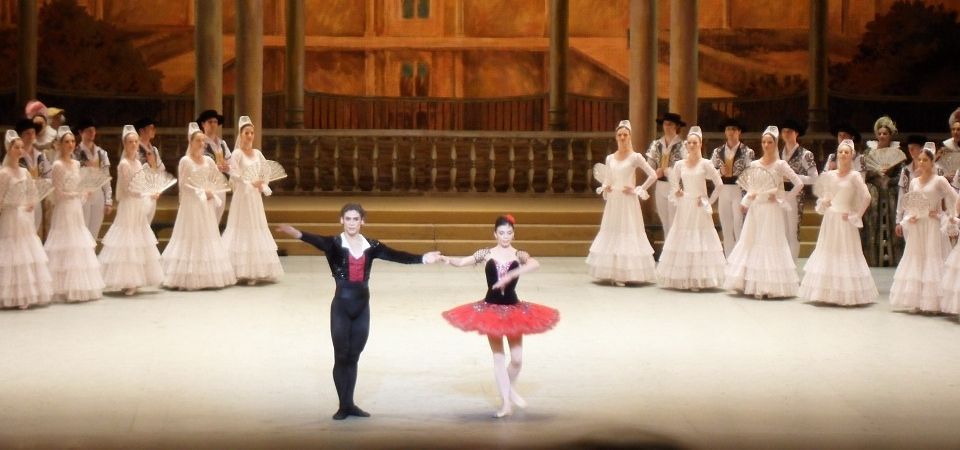
The lights go dim, and the theatre is silent as the audience waits with bated breath. Is that it? Is the show over? Suddenly, a ray of energy bursts from the stage as actors pour out in orchestrated positions and movements. The clapping from the audience fills the theatre while the performers execute their last cue for the night: they bow.
An unspoken agreement between audience and actor, the curtain call and bow is the time to show thanks for the work done on stage as well as the audience for appreciating it. To an alien, this may seem a bit bizarre: in any normal human interaction, two people will use their voice to communicate, but in a theatre, one human puts their hands together while the other bends over.
What’s going on here? We’ve already done a quick step through history to explain why we clap and now we’d like to go through the history of why performers bow.
A Bow Through Time
Where does the bow come from originally? It is impossible to track down evidence of when this movement came into fashion, as bipedal humans are believed to date back millions of years ago. Some language experts support “gestural theory” which suggests that before humans ever developed a spoken language, they spoke with gestures. In comparing today’s gestural communication with spoken communication, experts have found that both verbal speech and sign language are grammatically sophisticated. This supports the idea that a gestural language is complicated enough to fulfil the necessity of human communication. Did bowing come from a gestural language? Perhaps. Did its meaning evolve over the years? Definitely.
From frescos, to carvings to hieroglyphics, we can see that humans have recorded the existence of the bow for thousands of years. From these written and drawn accounts of early human history, it is clear that the bow serves as a sign of respect, with countless subjects bending at the waist in the presence of a mightier power. As recorded history moved from visual representation to the written word, the act of bowing was described with more precision. For example, in European cultures, the deeper the bow meant more respect was being shown. This act was traditionally reserved for males to practice, where females could use the curtsy. Today, we see very little “social bowing” in these same European countries – but the normalcy of bowing as a social gesture differs in other parts of the world.
When Did The Curtain First Call?
After a performance, bowing is a sign of gratitude to the audience for watching, listening, and enjoying. The excited claps from the audiences are an energetic thank you, while the performer’s bow responds to these thanks in any way they see fit: it’s the correct response to clapping. Further, a bow at curtain call is not only a thank you but it is also a time for an actor to show their vulnerability. Whether the bow is large and hefty showing the pride for the work they did on stage, or unguarded and appreciative of the audience before them, this end-of-show gesture is the perfect button to end the performance.
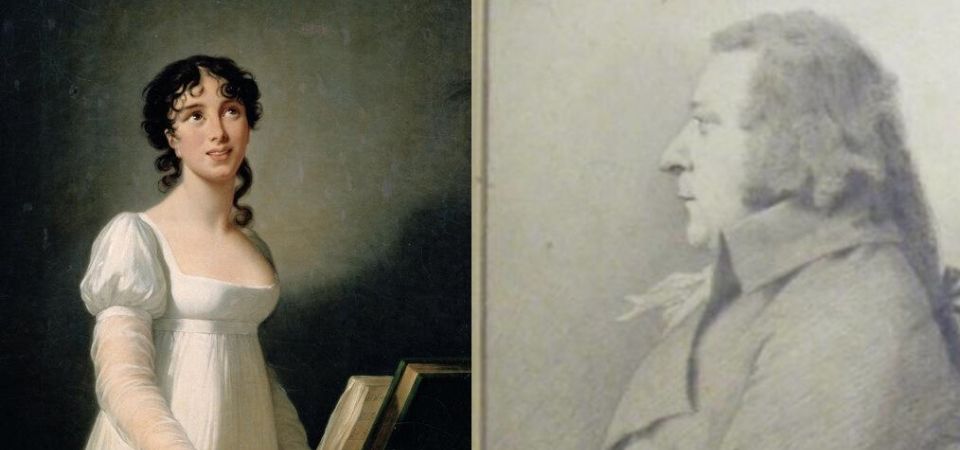
So, did humans immediately put two and two together and bow at the end of each performance? Not necessarily. The idea of a “curtain call” was not a given for every theatre performance until around the 19th century. It is quite difficult to track the actual origin of the curtain call, but from news archives and accounts of writers at the time, we can note that it rose to popularity in the 1820s. One performance that could mark the beginning of this practice is an 1824 Italian Comic Opera Il Fanatico per la Musica. Here, Madame Angelica Catalani’s performance ended with a curtain call, which made the production stand out. William Thomas Parke, an English musician and writer at the time, recounts that shortly after this performance where the curtain call was used, other performances followed suit. Soon after, in the 1826 season, curtain calls were becoming common practice.
With time, this trend only evolved. That clear moment for an audience to give performers the respect they deserve can range anywhere from seated clapping to a standing ovation with flowers flying through the air. In fact, throwing flowers on stage happened to derive from the 1820s as well. While curtain calls became more fashionable, women’s fashion was flourishing as well. Women would wear flowers in their hair at the time, and soon this trend began to grow past just the hair. It wasn’t long before women were carrying flowers everywhere they went: including the theatre. Naturally, this led to Opera goers tossing flowers onto the stage. Though this practice was deemed exceedingly silly at the time, it became so popular that today throwing flowers onto the stage at curtain call can be deemed as an honour for a performer.
Go On and Take a Bow
The theatre took what started off as a way to simply express thanks and turned into an integral part of the performance. Choreographed, planned, and practised: we could easily identify the many types of bows today. The hands-together ensemble bow showing solidarity with the entire cast, the sheepish tiny bow for the humble actor, or even the intense stage-left to stage-right bow for the performer trying to soak in every last drop of glory. At the end of the show, cheering on these bows, can be a cathartic release for audiences – perhaps the first step in processing the art you just witnessed on stage. From celebrities that are gracious to performers not yet famous, there is one language they surely share in common: the bow.
Did this article give you some nostalgia for the stage? Find out what shows are playing with us in the future so you can see our performers in Paris doing what they do best. From comedies to operas to musical theatre and more, Paris has a diverse theatre scene that is waiting for you. Your clapping hands are needed when curtain call is cued, and the bows start rolling in!
Want to be in the audience to watch?
Through the centuries, the bow has crossed eras, cultures, and artistic forms to become a universal language. It embodies a moment suspended between fiction and reality, where the artist reveals themselves one last time, no longer in a role but as a human being. This gesture, simple in appearance, is steeped in history, symbols, and emotion — a bridge between the stage and the audience, between those who give and those who receive.
But the bow is not frozen in the past. It reinvents itself with each performance, in every venue, with every audience. It is alive, vibrant, unique. And above all, it cannot exist without you.
So come and write the next chapters of this tradition with us. Discover the upcoming shows on Parisian stages — comedies, operas, contemporary plays, or grand musicals. Whether you are a curious newcomer or a regular in the red seats, your applause will always be awaited, always heard… and always returned.
When the curtain rises, the show begins. But it is when it falls that the magic of the bow takes place.
If the idea of stepping onto the stage does not appeal to you, we invite you to come and see the shows in the many Parisian theatres. There, you will witness different forms of bowing.
A Gift They’ll Never Forget!
Everyone has that loved one who is impossible to buy presents for, so why not give them a day to remember instead? With our gift card, they can choose to see one of our amazing shows, concerts, cabarets and more! And you can be safe in the knowledge that you’ve given them the best present of all — an extra-special memory to last a lifetime.
There’s More Where That Came From...
Whether you're a theatre aficionado or a first-timer, the Theatre in Paris newsletter has got what you need! At least once a month, receive a hand-crafted email for your browsing pleasure, listing the best exclusive updates, deals, programmes, and all things theatre.
You can also follow us on Facebook, Instagram, Pinterest, and TikTok by clicking the following link to see our Link in Bio page: Click here!