


- September 29, 2025
- Parisian theatre
- Eric Battye
-
-


Answers to the theatre questions everyone is asking…
Theatre, exposed.
The first minute of a play, when the lights go out and the actors come onstage, theatre feels really silly. These people come out onstage, pretending that the audience aren’t there, pretending to be someone they are not, having an unnaturally loud dialogue about something that doesn’t even exist. And here we are, the audience, sat in hushed silence - having gone to the trouble of finding a babysitter, getting all dressed up, traipsing halfway across the city on the metro, spending too much on a meal beforehand - just to file into this room and sit in the dark for the next two hours.
Yet somehow, after a few minutes you are not thinking of that anymore. You are not thinking of yourself anymore - or of your social self-consciousness - for you do not exist anymore. You have dissolved into something larger than yourself, into one collective experience. For the next two hours, you and your fellow man sit side by side, experiencing the same thing - the same thoughts and emotions, highs and lows. When the curtain falls, you will rise, squeeze past one another, get back onto the metro, and return to your separate lives. But for now, you are one. This is the magic of theatre.
Of course, it's natural to want to know how the magic works. And while a magician might never reveal his secrets, theatre isn’t quite so guarded. That’s why we’re here - to answer your burning questions and pull back the curtain on the world behind the stage.
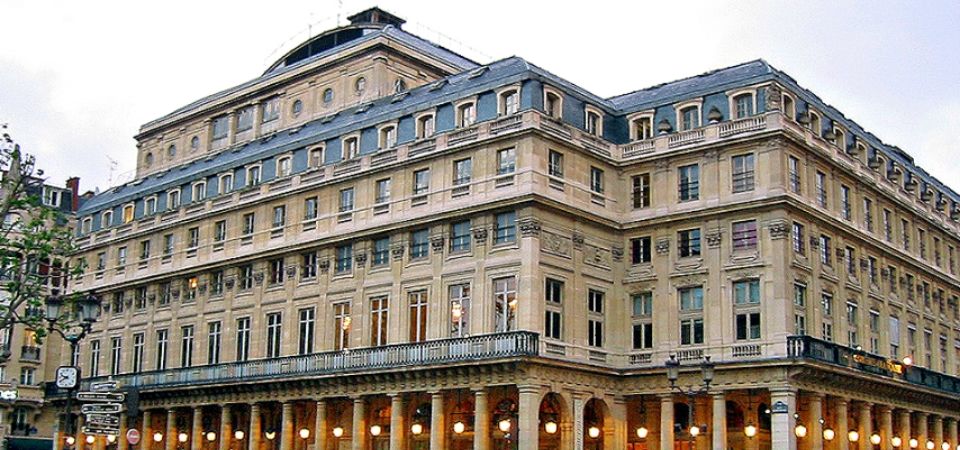
Why are theatre seats red?
The deep, crimson red colour of theatre seats is not merely an aesthetic choice - it has both practical and historical reasons. Here are a few reasons why:
- • Historical tradition:
Red has long been associated with royalty, elegance, and luxury. As a lot of older theatres were under royal patronage (e.g. The Comédie-Française), only the finest would do, and so red was often used to evoke sophistication and grandeur – a colour befitting these prestigious venues. - • Colour psychology:
Red is a warm hue that draws attention and creates a lively, engaging atmosphere. It’s linked to strong emotions, which can heighten the theatrical experience. At the same time, it’s visually pleasing without being distracting during the performance. - • Practicality:
Theatre isn’t all just glitz and glamour! Dark red is excellent at concealing dirt and wear, a factor that is crucial in bustling spaces like theatres. This means that the seats tend to maintain their appearance longer than lighter colours. - • Visual comfort:
Red doesn't strain the eyes during evening performances. It’s subdued enough not to interfere with the audience’s focus, while still adding a touch of elegance to the interior. - • Aesthetic coherence:
In many theatres, walls and curtains are also red or similar in tone. This creates visual harmony and allows the audience to stay focused on the stage by maintaining a dark, uniform backdrop.
So, whilst the tradition of red seats was established hundreds of years ago to give a luxurious, royal feel, its maintained use is also in part due to the practicality of the colour, as well as its pleasing visual effect.

Can I boo at the theatre?
Yes, you are allowed to boo at the end of a performance – and it still happens, especially in opera – but this depends on the context, the type of show, and the culture of the theatre you visit.
- • In classical or traditional theatre:
Booing used to be an important part of the audience’s rights, a way to vocally criticise poor performances. In the past – especially in outdoor or vaudeville theatre – audiences were very unruly, often quite drunk, and booing was common if an actor or production failed to meet expectations. - • Modern-day reactions:
Booing is now rarer and often viewed as disrespectful to both the performers and fellow spectators. However, it can still happen, particularly when a production is controversial or poorly received. A famous example of this is Victor Hugo’s 1830 play Hernani, which was so controversial that two opposing groups would fill out the seats to boo, mock - even sometimes fistfight - each other for having differing opinions on the play. - • The importance of context:
At institutions like the opera or the Comédie-Française, audiences tend to be more restrained. Displeasure is more often expressed through lukewarm applause or silence rather than overt booing. In smaller or less formal venues, booing may still be acceptable when it is warranted. Furthermore, if you are watching a pantomime, or a farce, feel free to boo - audience participation is an important part of these plays! - • Alternatives to booing:
If you didn’t enjoy the performance, a more respectful approach is to leave quietly or discuss your opinion constructively after the show, either with fellow audience members or in writing.
So, whilst you are allowed to boo, it’s increasingly rare and not very respectful of the artist’s hard work or the other audience members. Unless, of course, the play demands booing - in which case, go ahead!

What does a director actually do?
The stage director is key in making and interpreting a performance. If the playwright provides the blueprints for a house, the director is the one responsible for building it. These responsibilities include:
- • Interpreting the work
The director analyses the play, choosing a specific perspective or interpretation to base their version of the play on. This interpretation can highlight specific messages or emotions already in the text, or highlight new themes and emotions through reinterpretation. - • Directing the actors
One of the most important aspects of their job is ensuring that the actors’ performances are in line with their interpretation of the work. They work closely with the actors to ensure that they correctly portray the characters and carry the director’s message throughout. - • Aesthetic and technical choices
A big part of making this vision come to life are the physical aesthetic choices. If the appearance of the play is incoherent with the material of the play, the performance will seem jumbled and confused. So, the director works closely with set and costume designers, make-up artists, light, sound technicians and sometimes live musicians to enhance the show’s atmosphere.
Elsa Granat’s brilliant revisitation of Chekov’s The Seagull, A Seagull is a good example of the role a director plays. Her interpretation of the play focuses on the themes of thwarted love, broken dreams and the quest for self. Whilst Chekov put an equal emphasis on all of the characters, Granat dives into Arkadina, the famous, ageing actress and the mother of Treplev, an aspiring young writer. She is a complex figure - vain, self-absorbed, and often emotionally distant, particularly towards her son. However, she is also intelligent, witty, and capable of great charm. By focusing on this one character - making sure that the performances and aesthetics align - Granat breathes a breath of fresh air into this classic play.

Why did the “three knocks” tradition before plays disappear?
Les trois coups – three knocks struck on the floor before a performance – are a distinctly French tradition, with several interesting meanings:
- • Announcing the beginning:
They signalled to the audience that the performance was about to start and that silence was expected. - • Symbolic ritual:
Dating back to the 17th century and the Comédie-Française, these knocks marked the solemnity of the theatrical event. - • Thematic references:
Some interpret the three knocks as symbolising the three classical unities of theatre (action, time, and place).
A régisseur or stagehand would strike the stage or part of the set with a cane just before the curtain rose. Though iconic, this ritual has faded for several reasons:
- • Changing in staging:
Contemporary theatre has moved away from rigid traditions in favour of smoother, more natural transitions. - • Shifting audience relationships:
In a modern context, the boundaries between stage and audience are increasingly blurred, making such formal cues feel outdated. - • New lighting and sound design:
Many shows now open in darkness or with a gradual build-up of light and sound, offering a more immersive entry into the performance than the three knocks. - • Less importance given to classical conventions:
With the rise of experimental and immersive theatre, formal traditions like the three knocks have been largely set aside. Still, some traditional performances may continue to include them as a nostalgic or respectful nod to the past.

“Break a leg”, “merde”… why do we say these horrible things to actors?!
Saying “merde” (in English, “shit”) to actors before they perform is a long-standing French theatrical superstition dating back to the 19th century. In those times, the more people came to the theatre, the more horses and carriages would gather outside – and the more horse droppings would accumulate near the entrance. Hence, lots of merde meant a big crowd, which meant success. Wishing someone merde was a coded way to say, “I hope your show draws a large audience.”
Saying “break a leg” to actors before a performance is a traditional English-language theatre superstition. However, we don’t actually mean that the actor should break their leg! There are two theories as to where this saying comes from: the first suggests that it refers to taking a bow at the end of a successful performance, literally "breaking" the line of the leg.
Or, it could refer to the “leg line” -the edge of the stage curtain, where ensemble actors queued up to perform. If the actors were not going onstage, they had to stay behind the “leg line”. Not only did they not get to act - they wouldn’t get paid either. So, wishing someone to “break a leg”, means that you wish them to break the “leg line”, essentially wishing them the opportunity to perform and get paid.
Why not say “good luck”?
In theatre, saying “good luck” is considered bad luck. That’s why coded phrases like “merde” (French) or “break a leg” (English) are used instead.
How to respond?
Out of superstition, a French actor should not reply with “merci” (thank you). Instead, they may say “je le prends” (“I’ll take it”) or say nothing at all. This superstition does not, however, extend to Anglophone performers, who often reply “thank you”.
These bizarre traditions remain very much a pre performance ritual for Anglophone and Francophone performers all over the world.

Why is purple an unlucky colour in theatre?
For French actors, purple is regarded as unlucky in the theatre world due to an old superstition that dates back to the Middle Ages. During Lent – the Christian period of fasting leading up to Easter - theatrical performances were forbidden. Since actors relied on their craft to survive, this ban often meant hardship for them. The traditional colour of Lent is purple, worn by priests and used in churches during this period. Over time, purple became associated with these difficult times and came to symbolise misfortune for performers.
Just like saying “merde”, this is a superstition that has persisted. Even to this day, purple is often avoided on stage or in costumes for fear of bad luck. The original reason may be forgotten, but the superstition endures. Green is also considered bad luck in French theatre – supposedly because Molière died on stage wearing green, further fuelling theatrical superstition.
Anglophone theatres, however, do not have any colours that are traditionally considered unlucky.

... Now it's your turn to break a leg!
So there we are. Hopefully we have answered some of your most burning questions about theatre.
However, if your thirst for knowledge still needs quenching, why not try out one of the Astoria Company’s theatre workshops? Perfect for groups, you and your friends will be coached to perform a professional-standard theatre piece, before seeing it later that night. There’s no better way to dive into a theatre piece and truly understand it than with the help of the actors themselves!
You will take part in everything, from the intricacies of stage performance to costume designing and prop preparation. On stage or behind, you are completely free to choose what you want to do - whether you feel comfortable onstage or not, everyone has their own role to play!
A Gift They’ll Never Forget!
Everyone has that loved one who is impossible to buy presents for, so why not give them a day to remember instead? With our gift card, they can choose to see one of our amazing shows, concerts, cabarets and more! And you can be safe in the knowledge that you’ve given them the best present of all — an extra-special memory to last a lifetime.
There’s More Where That Came From...
Whether you're a theatre aficionado or a first-timer, the Theatre in Paris newsletter has got what you need! At least once a month, receive a hand-crafted email for your browsing pleasure, listing the best exclusive updates, deals, programmes, and all things theatre.
You can also follow us on Facebook, Instagram, Pinterest, and TikTok by clicking the following link to see our Link in Bio page: Click here!