


Théâtre du Gymnase Marie Bell
38 boulevard de Bonne Nouvelle, 75010 Paris
Capacity 800 seats
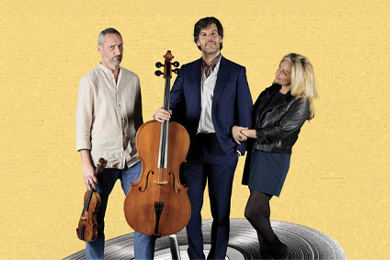
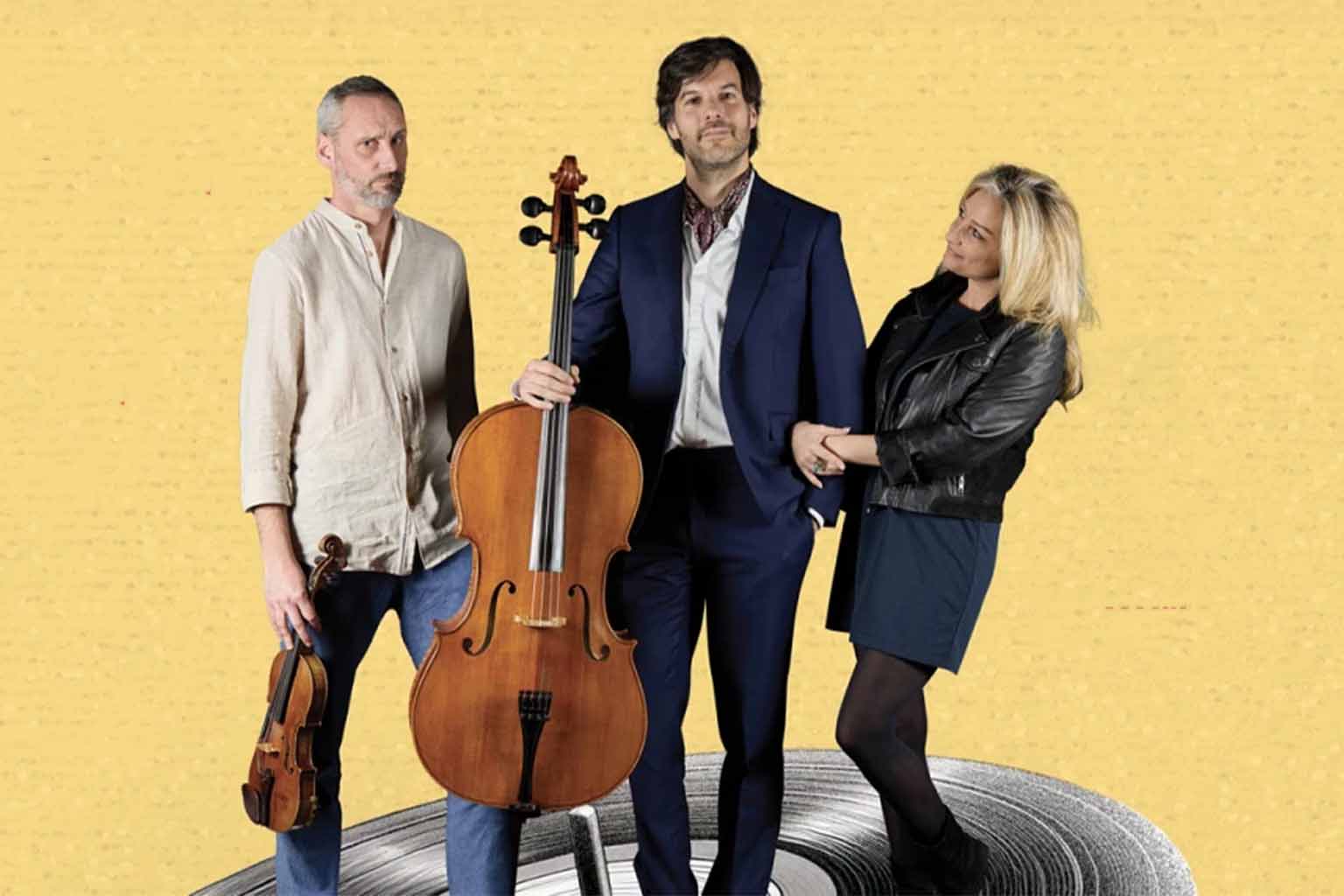
Blind Test
Location
Duration
1 h 15 min
No intermission
Details
Classic theatre, concert
For all audiences
In French
Highlights: Blind test
Reviews
"After the first 15 minutes the laughter kicks in and everything clicks. Arnaud Cosson is excellent! Bravo as well to the three musicians." (Translated from French)
Cagi Nicolau, Theatre Online user
"Go see it - you'll have a great time. The play was accompanied a trio of dynamic, funny musicians." (Translated from French)
Badles, Billet Réduc user
"We laughed a lot throughout the play, the writing was great! The trio worked really well onstage as well. A really good play to go and see." (Translated from French)
Sam, Billet Réduc user
"A brilliantly funny play, played by three very talented actors. We laughed a lot! Highly reccomend." (Translated from French)
Duphelja, ticketac user
"An enjoyable evening for all the family! A real must see, played by talented actors accompanied by live musicians, belly laughter guaranteed" (Translated from French)
Melo, Ticketac user
Théâtre du Gymnase Marie Bell
38 boulevard de Bonne Nouvelle, 75010 Paris
History and Fun Facts about Théâtre du Gymnase Marie-Bell
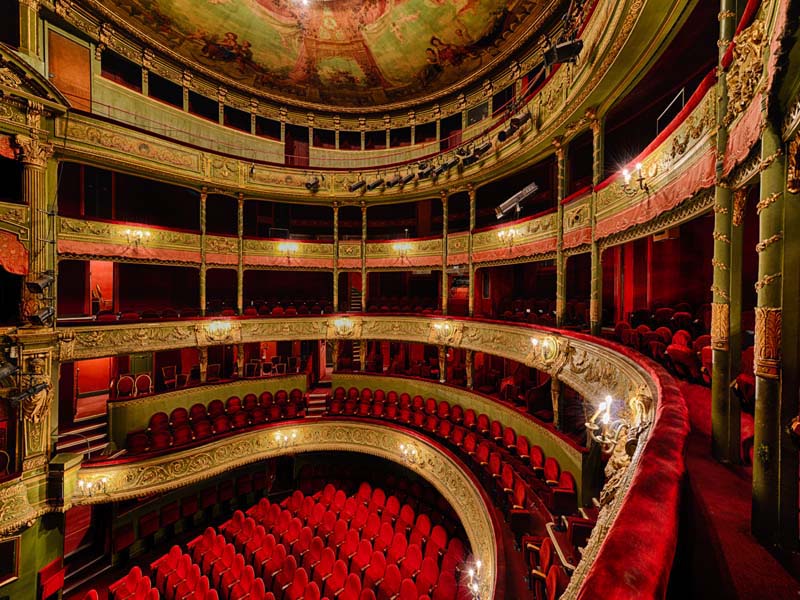
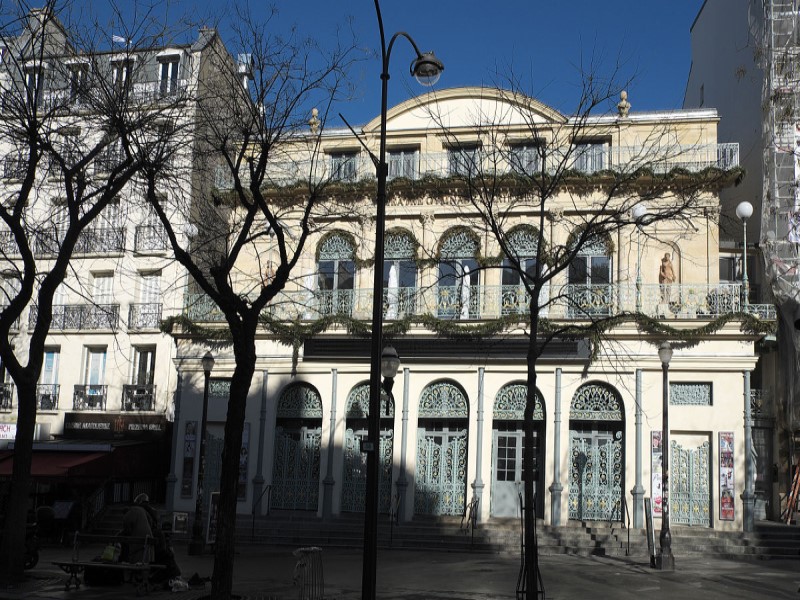
Located at 38 Boulevard de Bonne-Nouvelle in Paris’s 10th arrondissement, the Théâtre du Gymnase Marie-Bell is a venue steeped in history. Listed as a historical monument since 1994, it boasts a rare gem in the capital: a true open-air terrace in the heart of Paris.
Inaugurated in 1820, the theatre was originally conceived as a training ground for young actors—a kind of “gymnasium” for the mind. From the outset, it introduced a unique constraint: classical repertoire plays were to be condensed, sometimes lasting only a single scene.
Under the leadership of Adolphe Lemoine, known as Montigny, from 1844 onwards, the theatre shifted towards social drama and sentimental theatre. This era welcomed some of literature’s greatest voices: Balzac, George Sand, Émile Augier, Alexandre Dumas père and fils, Victorien Sardou, Meilhac and Halévy. In 1860, Eugène Labiche’s Le Voyage de Monsieur Perrichon premiered there to great success.
From 1926, Henry Bernstein took over the direction and staged many of his own plays, including Samson, Mélo, and La Galerie des Glaces. In 1940, Paule Rolle succeeded him, opening the stage to works by Jean Cocteau (Les Parents terribles), Marcel Pagnol, Sacha Guitry, and Jean Genet (Le Balcon, directed by Peter Brook in 1960).
The tragic actress Marie Bell, who became legendary for her portrayal of Phèdre, ran the theatre from 1962 to 1985, giving it her name. She championed classical theatre, in a space redesigned in the late 19th century by painters Rubé, Chaperon, Compan and Plumet. The ceiling they created represents allegories of the seasons.
A notable anecdote: in 1824, the theatre received the patronage of the Duchess of Berry, earning it the title “Théâtre de Madame.” It was also one of the first Parisian theatres to adopt gas lighting, as early as 1823.
The Gymnase Marie-Bell remains a treasured theatrical landmark, where the voices of Sarah Bernhardt, Jean Marais and many other greats of French theatre once echoed.
One of the theatre’s most incredible features? A stunning terrace—an unexpected oasis in central Paris. The perfect spot for summer evenings, it comes to life after sunset with a chic, relaxed atmosphere. Refreshing cocktails, captivating DJ sets, and an unbeatable view of Parisian rooftops set the scene for extending the magic of the show. Whether before or after the performance, the terrace transforms into a festive and friendly space where you can truly savour the moment. A well-kept secret for unforgettable summer nights, just steps from the Grands Boulevards.
A theatre well worth going out of your way for!
Fast Facts
Capacity: 780
Handicap accessible: Yes, please let us know at hello@theatreinparis.com so that we can inform the theatre and ensure they welcome you under the best possible conditions.
Air conditioning: Yes
Heating: Yes
Coat check: Yes, paid service
FAQ
How do I get to Théâtre du Gymnase Marie-Bell in the 10th arrondissement of Paris?
The Théâtre du Gymnase Marie-Bell is accessible by:
Metro: Line 8 and 9 (station Bonne Nouvelle)
Address: 38, boulevard de Bonne Nouvelle, 75010 Paris
In case of difficulty, our hotline can be reached during our business hours. Please see the footer of this page for our contact details.
What do I do when I get to Théâtre du Gymnase Marie-Bell?
We invite you to arrive 45 minutes before the beginning of Blind test, and present your voucher at the front desk. Théâtre du Gymnase Marie-Bell’s English-speaking staff members will guide you to your seats.
In the event of a delay, spectators will be allowed entrance to the theatre but seating in the purchased category is not guaranteed.
How long does the opera, Blind test, last?
The show Blind test at Théâtre du Gymnase Marie-Bell lasts approximately 1 hour and 15 minutes.
Is Blind test for an international audience or French speakers?
Blind test is primarily aimed at a Francophone audience, as much of the humour, interactions, and sketches rely on the French language, as well as French cultural and musical references. The songs performed cover a wide repertoire, including many French-language hits, and the show is conducted in French.
That said, the show remains accessible and entertaining for an international audience, particularly thanks to its energy, live music, and visual appeal. Non-Francophone spectators can enjoy the atmosphere, the musical quality, and the festive interaction, even if they do not grasp all the wordplay or cultural references.
Can I choose my seat when booking?
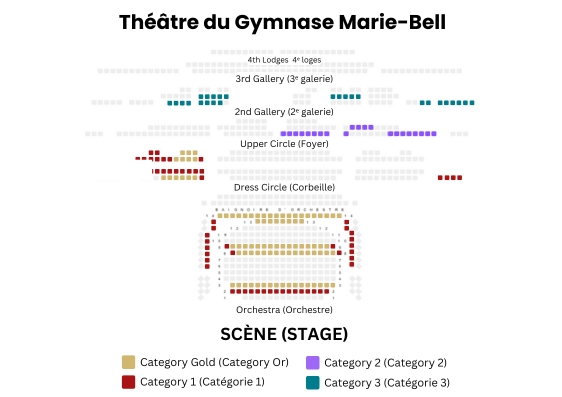
When purchasing tickets, choose your preferred category and you will be allocated the best available seats in that category!
Please note that tickets of the same category that are booked during the same purchase session, in the same booking order on our website are always assigned side by side. To be sure of this, make sure all of your tickets are in the same category and are included in your shopping cart at the time of purchase.
If there are no available adjacent seating arrangements, our customer service team will contact you before the booking is confirmed.
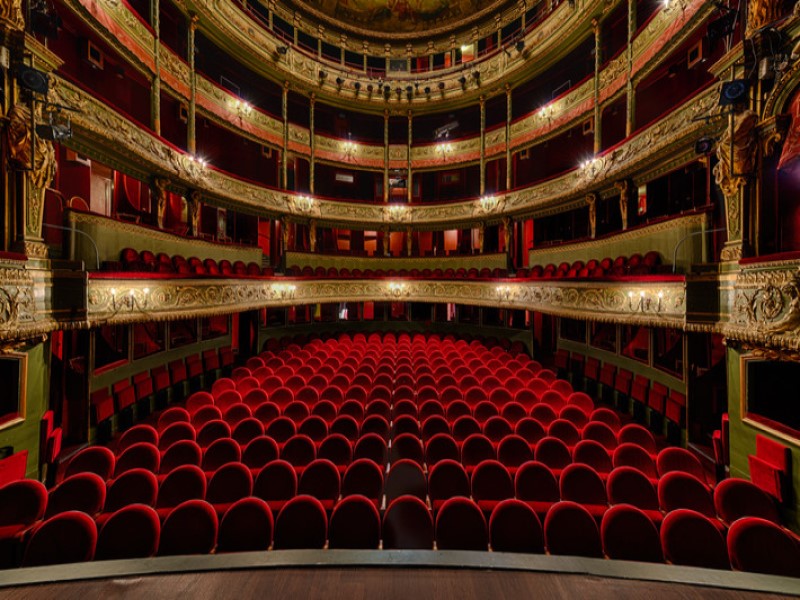
You can find the seating plan in the theatre’s "photo" section on this page.
Is there a dress code at Théâtre du Gymnase Marie-Bell?
There is no specific dress code at Théâtre du Gymnase Marie-Bell, but proper attire is appreciated. Many Parisians will arrive directly from work, dressed in business casual or chic attire.
Is there a bar or restaurant at the Théâtre du Gymnase Marie-Bell?
Théâtre du Gymnase Marie-Bell has a bar that offers a wide choice of wines and local produce (charcuterie, cheeses, terrines…). All fresh and tasty, prepared by French artisans.