


- November 6, 2025
- Parisian theatre
- Emma Houelle
-
-


Can you name some French classics?
Can you name more than five classic French playwrights?
Molière, Ionesco, Racine, Corneille, Rostand…
Indeed, you are correct, there are quite a few.
Theatre originated in ancient Greece with playwrights such as Sophocles, and developed after the fall of the Roman Empire and throughout the Middle Ages in France. The form of theatre that we remember from this period is farce.
It was finally in the 17th century that classical theatre took off, thanks to the influence of the commedia dell'arte in Italy. Molière became the founder of French comedy. Among the great tragedians, we can mention Corneille and Racine.
Keep reading this blog to know more about the most famous plays of classical French playwrights!
You can also enjoy these shows during the 2025-2026 season, exclusively at the Comédie-Française and the Théâtre Le Ranelagh!
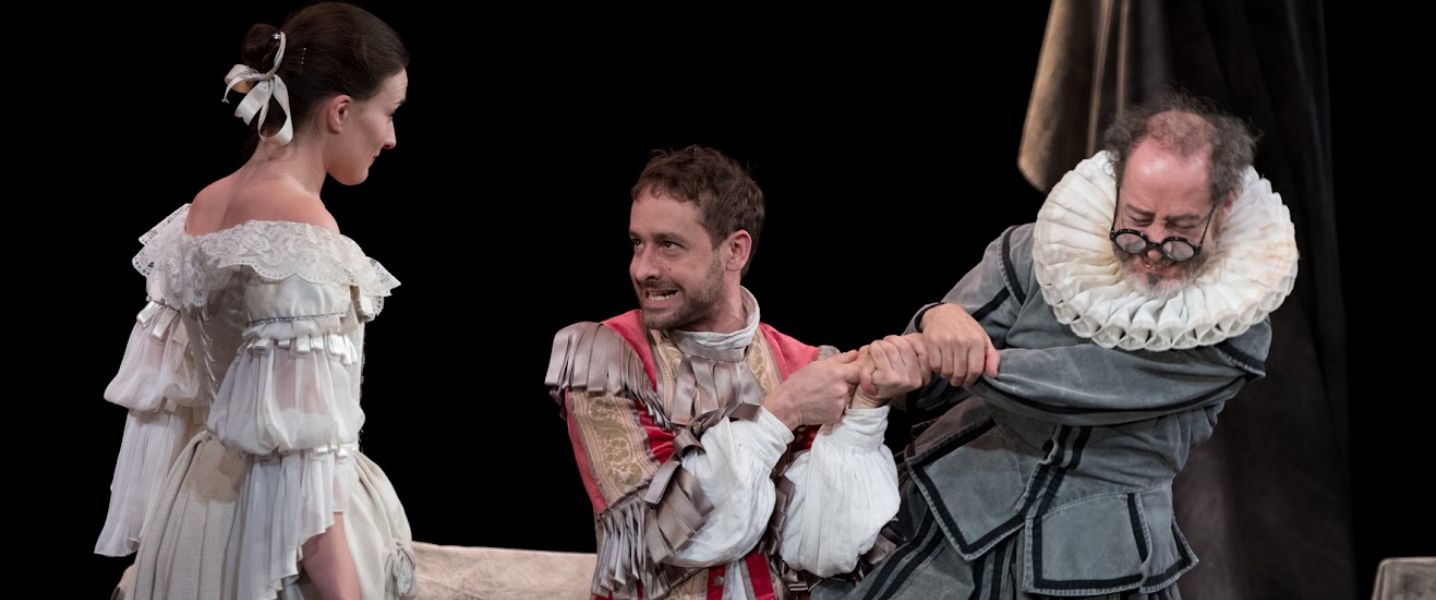
Molière: his most famous plays
Molière is a legend of French theatre. Born in 1622, he founded a theatre company with Madeleine Béjart and other actors. After several failures, he decided to create a new company and went on tour. After about fifteen years, his plays began to gain success.
In 1658, Molière returned to Paris and performed before the court of King Louis XIV. The commedia dell’arte inspires Molière in his plays. The plays written by the playwright and performed by the troupe were very popular. In 1664, Molière became the organiser of the festivities at the king's court.
The Pretentious Young Ladies (Les Précieuses ridicules)
This play was Molière's first major success at court. A one-act comedy, it pokes fun at the affected manners and affected language of certain women in high society at the time, while also criticising the excesses of affectation more broadly.
Les précieuses ridicules features Cathos and Magdelon, two anti-heroines who are desperate to be recognised by a society that does not acknowledge them. They fall into a trap set by two suitors whom they have humiliated, reaching a point of blindness that gives the play its comic force, but also raises some highly topical questions.
See more about the 2021-2022 production of The Pretentious Young Ladies that played at the Comédie-Française.
The Misanthrope
(In French with surtitles in English and French Sign Language)
The Misanthrope by Molière is named Alceste. He believes in absolute truth, refusing to flatter or lie, even when social conventions demand it! Chaos ensues when he falls in love with his exact opposite, the gossipy and worldly Célimène.
This new adaptation of Molière's classic play is surprisingly modern and offers nuanced interpretations of complex characters: is Alceste a naive idealist or a true misanthrope? Is Célimène simply a coquette, or an early example of an emancipated woman? To find the answers to these questions, hurry to the Comédie-Française.
Click here to book your tickets for The Misanthrope at the Comédie-Française. (3 Oct 2025–3 Jan 2026)
Scapin, the Schemer (Les Fourberies de Scapin)
(In French with surtitles in English and French Sign Language)
Les Fourberies de Scapin is a three-act comedy by Molière. Scapin, a cunning valet, helps two young men, Octave and Léandre, to marry the women they love, despite the opposition of their authoritarian fathers, Argante and Géronte. Using tricks, disguises and lies (the famous ‘fourberies’), Scapin manipulates situations with humour and ingenuity. He extorts money from the fathers and orchestrates various stratagems, including the famous scene with the bag. In the end, everything works out: identities are revealed, marriages are accepted, and Scapin, despite his tricks, is forgiven.
The play is a critique of rigid authority. It celebrates popular intelligence. If you want to laugh, here's a good opportunity to do so.
Click here to book your tickets for Scapin, the Schemer at the Comédie-Française. (25 Sept 2025–14 Jan 2026)
The Imaginary Invalid (Le Malade imaginaire)
(In French with surtitles in English)
In Molière's famous play, The Imaginary Invalid, Argan is a hypochondriac who wants to marry his daughter Angélique to his doctor's son. But Angélique is already in love with Cléante. Add to that the fact that Béline, Argan's second wife, has only one goal: to steal her husband's fortune. As for Toinette, the sick man's maid, she reveals the whole truth about the characters throughout the play using clever subterfuges. We won't reveal the ending of this hilarious play, but be warned that it will easily bring tears to your eyes, especially as director Jean-Philippe Daguerre, whose play was nominated for the 2018 Molière Awards, draws us into a veritable theatrical machine. A play for young and old alike!
See more about the 2023-2024 production of The Imaginary Invalid that played at the Théâtre Le Ranelagh here.
The Miser (L’Avare)
(In French with surtitles in English)
This play is a comedy of manners in which the main character, Harpagon, is a figure of greed and absurdity. While classical theatre often imposes a rigid moral code, in L'Avare, Molière chooses to push human nature to the extreme through Harpagon, who becomes an almost caricatured character. The comedy of the work also relies on farcical elements (misunderstandings, absurd situations) and irony, with the characters often exaggerated in their portrayal to emphasise their vices.
Click here to book your tickets for The Miser at the Théâtre Le Ranelagh. (11 Oct 2025–4 Jan 2026)
The Learned Women (Les Femmes savantes)
This play tells the story of a family torn apart, some in the name of tradition, others in the name of high-minded ideals, enamoured with poetry, philosophy and science. From this backdrop combining comedy and pathos, Emma Dante explores the encounter between two worlds: the old world, represented by a trio of men wearing wigs and period costumes, and the modern world, that of emancipated women.
See more about the 2025-2026 production of The Learned Women that played at the Comédie-Française.

Pierre Corneille
Pierre Corneille was born in Rouen in 1606. He is known for his tragicomedy plays, notably L'Illusion comique and Clitandre. The Cid, written in 1637 is his most famous play despite criticism.
The Cid
(In French with English surtitles)
The Cid depicts the thwarted love between Chimène and Rodrigue, torn between passion and family honour. At the Théâtre Le Ranelagh, 12 actor-musicians perform this timeless work with passion and emotion. They bring this epic tale to life with intensity and poetry. Duels, dilemmas and powerful emotions punctuate this show, which echoes the grandeur of classical theatre in an enchanting setting.
Click here to book your tickets for The Cid at the Théâtre Le Ranelagh. (29 Oct 2025–29 Apr 2026
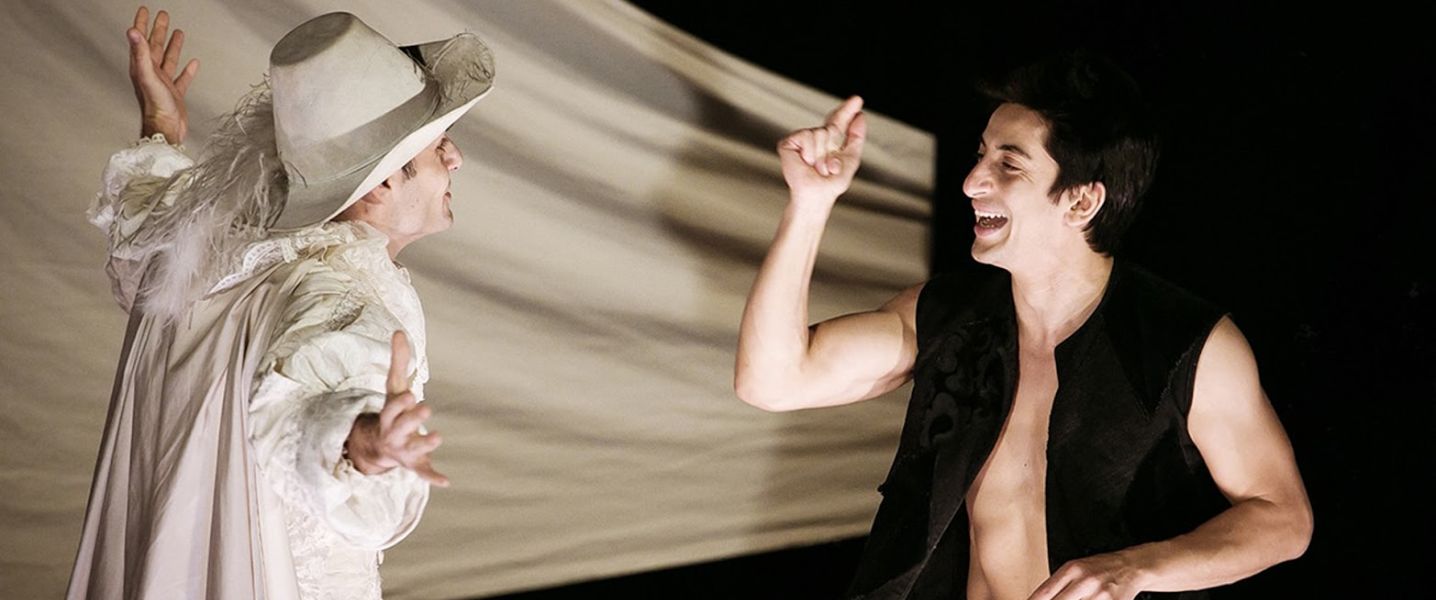
Jean Racine
Jean Racine was born in 1639 in La Ferté-Milon. This playwright perfected the genre of tragedy. He borrowed his style from the commedia dell’arte, but owes much of its inspiration to classical Greek tragedy. His plays revolve around well-known Greek myths and are appreciated for their simplicity and clever use of language.
Phèdre
His very famous tragedy, Phèdre, is inspired by Greek mythology, particularly the play Hippolytus by Euripides. The play depicts the love conceived by Phaedra, wife of Theseus, for Hippolytus, son of Theseus and an Amazon.
Bérénice
The play features Titus, son of Vespasian, who loves Berenice, Queen of Palestine, and is loved by her in return. Upon his father's death, he is poised to become emperor of the Roman world. But Rome, which has banished its kings forever, cannot tolerate royal blood at the head of its empire.
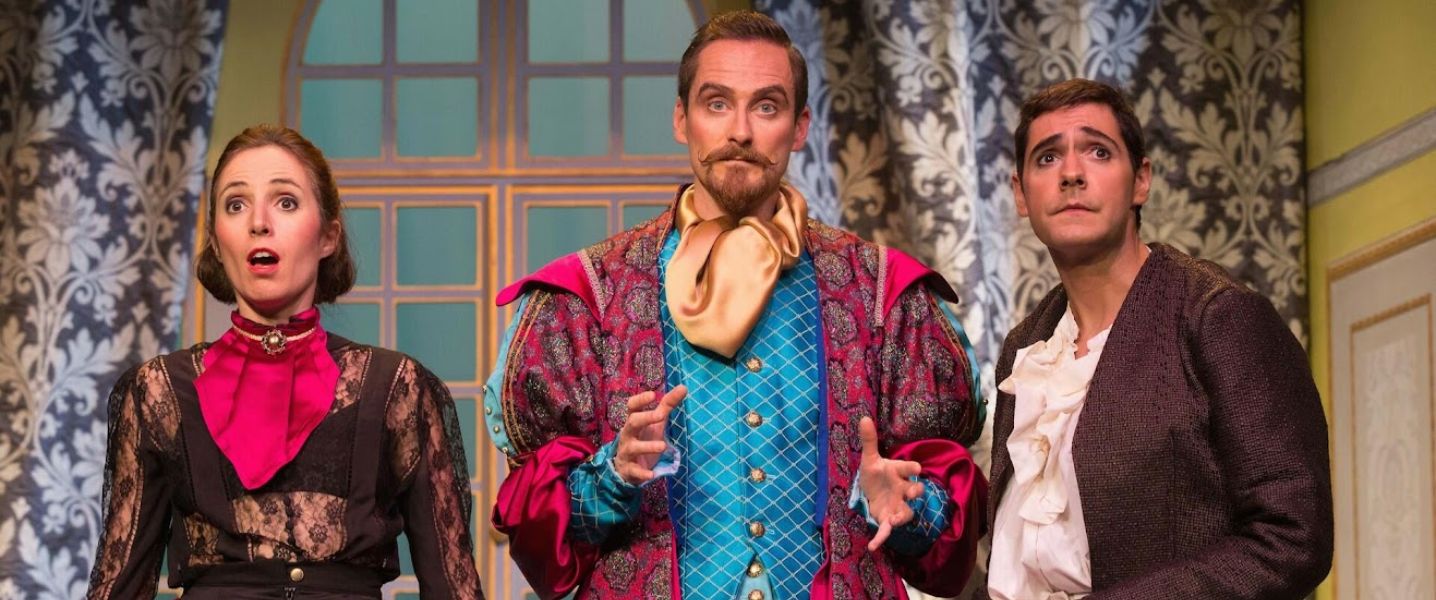
Pierre-Augustin Caron de Beaumarchais
Pierre-Augustin Caron de Beaumarchais was born in 1732 in Paris. Beaumarchais is one of the most significant figure of the French Age of Enlightenment. Writer, playwright, musician and business-man, he was also Voltaire’s publisher. His most famous play, considered to be a harbinger of the French Revolution and freedom of opinion, is The Marriage of Figaro.
The Marriage of Figaro or the Mad Day (Le Mariage de Figaro ou la folle journée)
(In French with surtitles in English)
This play features Figaro, a clever valet, who is about to marry Suzanne. But Count Almaviva, a proponent of feudal rights, complicates the wedding. Fortunately, the countess is keeping a close eye on things, and the misunderstandings come thick and fast, faster than Figaro's retorts. Get ready for a ‘mad day’ where love and mischief triumph over aristocratic scheming.
Click here to book your tickets for The Marriage of Figaro at the Théâtre Le Ranelagh. (21 Oct 2025–2 Jan 2026)
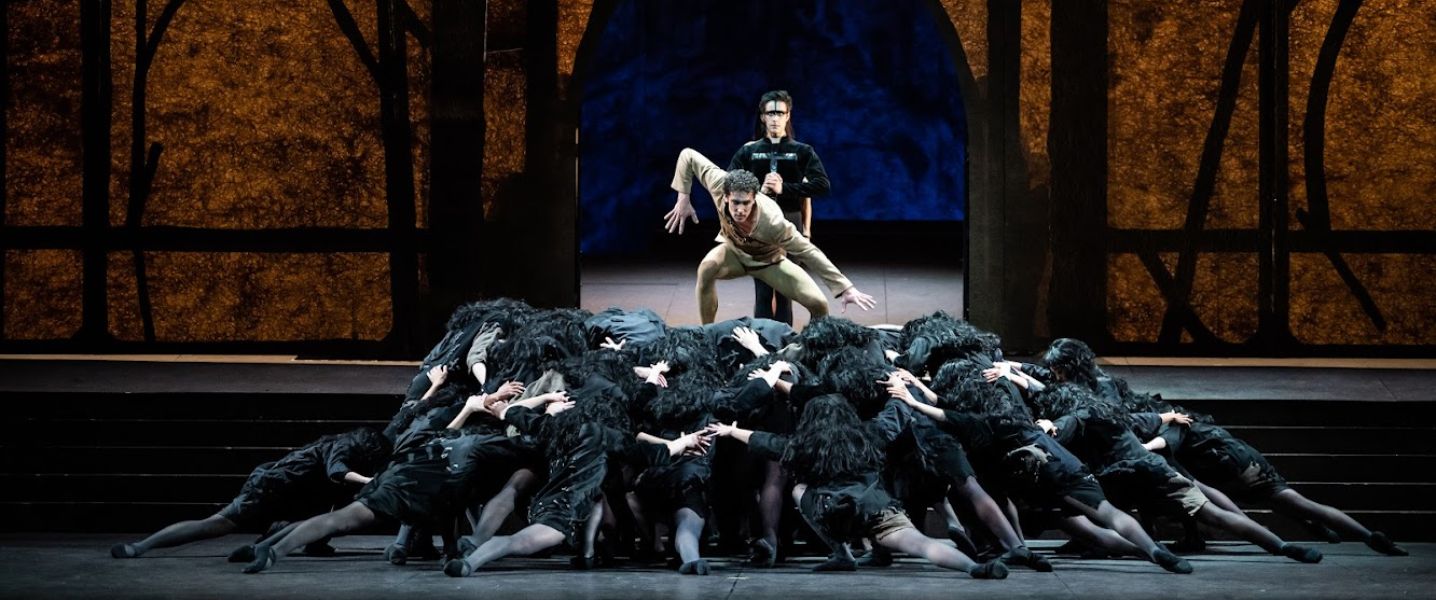
Victor Hugo
Born in 1802, Victor Hugo is one of the greatest French writers. He is mostly known for his famous novels: Les Misérables and Notre-Dame de Paris. Victor Hugo also wrote plays, such as Hernani, performed on stage at the prestigious Comédie-Française (the most important theatre institution in all France) in 1830 and Ruy Blas.
Notre-Dame de Paris
This phenomenal novel tells the story of Esmeralda, a gypsy accused of murder, and Quasimodo, the hunchback bell ringer of Notre Dame. Quasimodo, who is in love with Esmeralda, tries to save her from the gallows. Around them gravitate Quasimodo's guardian, Claude Frollo, archdeacon of Notre Dame, and a poet, Pierre Gringoire, who finds himself unwittingly in the legendary Court of Miracles. Notre-Dame de Paris has been adapted in many forms including, theatre and ballet.
Click here to book your tickets for Notre Dame de Paris, the musical at the Palais des Congrès. (19 Dec 2025–4 Jan 2026)
Click here to book your tickets for the ballet Notre-Dame de Paris at Opéra Bastille. (6–31 Dec 2025)

Edmond Rostand
Edmond Rostand is a playwright and writer, born in Marseille in 1868. His first works were Le Gant rouge, a play, and Les Musardises, a book of poetry. His most famous play is Cyrano de Bergerac, written in 1897.
Cyrano de Bergerac
(In French with surtitles in English)
This play tells the story of Cyrano, a character secretly in love with Roxane and who is unable to confess his love to her. Lacking confidence, he helps the handsome but inarticulate Christian seduce her by writing passionate letters to him. Roxane falls in love with him, believing that the letters come from Christian.
At the Théâtre Le Ranelagh, Cyrano de Bergerac takes on a new dimension thanks to Jean-Philippe Daguerre's original staging. This beautiful version combines singing, music, and combat, offering a lively and vibrant interpretation of Rostand's masterpiece. This famous, moving, and romantic play is sure to touch your heart.
Click here to book tickets for Cyrano de Bergerac at the Théâtre Le Ranelagh. (12 Oct–31 Dec 2025)
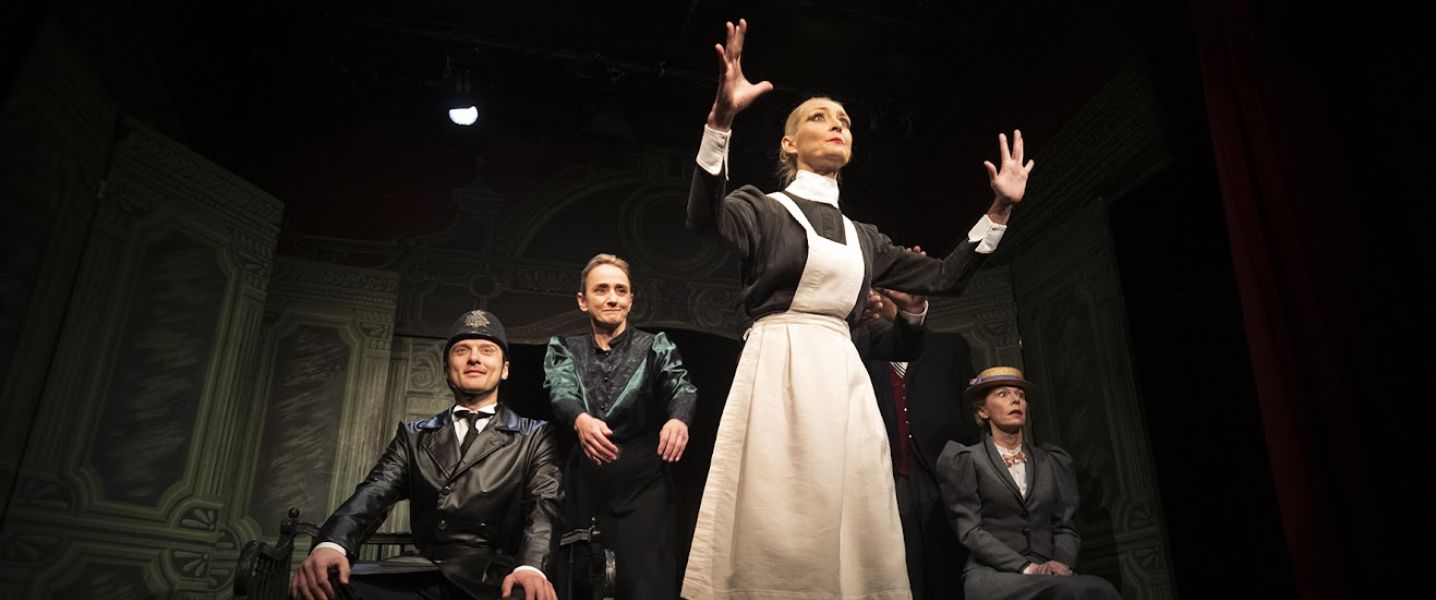
Eugène Ionesco: His Most Legendary Plays
Born in Romania in 1909 to a Romanian father and a French mother, Ionesco settled in Paris in 1945 and became an important figure of the théâtre de l'absurde (“theatre of the absurd”).
His tragicomic farces criticize social conventions by creating absurd and satirical situations based on everyday dramas. He draws inspiration from the anti-theatre movement of the 1950s. For him, the only real drama is that of the individual. He believes that the intimate perception each of us has of the world and its stereotypes gives us a distorted image of reality.
The Bald Soprano (La Cantatrice chauve)
(In French with surtitles in English)
The Bald Soprano, Eugène Ionesco's masterpiece of the theatre of the absurd has been performed continuously at the Théâtre de la Huchette since 1957, a record listed in the Guinness Book of World Records.
With its offbeat humour and nonsensical dialogue, the play deconstructs language and communication, revealing the absurdity of everyday life. Through comical situations and strangely empty characters, Ionesco invites the audience to laugh at the nonsense and absurdity of existence. With its surreal humour and ability to question the apparent logic of the world, this show continues to fascinate.
Click here to book your tickets for The Bald Soprano at the Théâtre de la Huchette. (All year long… obviously!)
The Lesson (La Leçon)
(In French with surtitles in English)
The Lesson, by Eugène Ionesco, is a masterpiece of the theatre of the absurd. The play features a surreal encounter between a tyrannic professor and a student, where language becomes a tool for manipulation. Through derailed dialogues and dark humour, Ionesco depicts the absurdity of power relations and communication. Far from any rational logic, the play reveals the absurdity of everyday life and creates an atmosphere of tension and ridicule. Bewildering! (All year long… obviously!)
Click here to book your tickets for The Lesson at the Théâtre de la Huchette.

Revisited classics, at the Théâtre Le Ranelagh
This year, the Théâtre Le Ranelagh offers three shows which are reinventing the most famous plays of three great playwrights: Molière, Shakespeare and Tchekhov.
M.O.L.I.È.R.E
(In French)
On stage, three actors and a musician bring boundless energy to the story of the young Jean-Baptiste Poquelin: from his refusal to become a tapestry maker to his crazy career as an actor, including his tours across France, his triumphant return to Paris, and the scandals that rocked the court of Louis XIV.
The show draws on the most famous lines from the plays – The Doctor in Spite of Himself, The Bourgeois Gentleman, Tartuffe, Scapin, the Schemer… and inserts them as delightful nods, bringing to life a lively, funny, and erudite fresco.
Click here to book your tickets for M.O.L.I.È.R.E at Théâtre Le Ranelagh. (11 Sept 2025–18 Jan 2026)
S.H.A.K.E.S.P.E.A.R.E
(In French)
This explosive show brings together six energetic actors who tackle William Shakespeare's work... to celebrate it even more. In an hour and twenty minutes, they revisit his greatest plays – Hamlet, Macbeth, Romeo et Juliette, Othello, A midsummer night’s dream – with boundless energy, formidable comic timing, and endless inventiveness.
The concept? A theatrical machine called S.H.A.K.E.S.P.E.A.R.E. which “condenses” the works of the Elizabethan master at the speed of a high-speed train, without ever losing the beauty of the language or the depth of the themes. The original text is interwoven with joyful anachronisms and clever staging ideas.
Click here to book your tickets for S.H.A.K.E.S.P.E.A.R.E at the Ranelagh. (25 Sept 2025–11 Jan 2026)
T.C.H.E.K.H.O.V
(In French)
With its inventive staging and dazzling cast, this show brilliantly weaves together excerpts from Anton Chekhov's greatest plays — The Seagull, Uncle Vanya, The Three Sisters ou The Cherry Orchard — to compose a kaleidoscope of emotions, thwarted desires, and shared loneliness.
T.C.H.E.K.H.OV., It is not just a play: it is a sensory and emotional experience, an invitation to feel what it means to be human, in all the complexity of our impulses and renunciations.
Click here to book your tickets for T.C.H.E.K.H.O.V at the Ranelagh. (18 Sept 2025–24 Jan 2026)
Who is your favourite playwright?
So, who is your favourite French playwright?
After reading this blog, we hope you have only one desire: to quickly buy tickets and settle into a seat in a Parisian theatre for an evening that is sure to leave you starry-eyed!
Don’t miss out: choose the best theatre shows in Paris with Theatre in Paris!
A Gift They’ll Never Forget!
Everyone has that loved one who is impossible to buy presents for, so why not give them a day to remember instead? With our gift card, they can choose to see one of our amazing shows, concerts, cabarets and more! And you can be safe in the knowledge that you’ve given them the best present of all — an extra-special memory to last a lifetime.
There’s More Where That Came From...
Whether you're a theatre aficionado or a first-timer, the Theatre in Paris newsletter has got what you need! At least once a month, receive a hand-crafted email for your browsing pleasure, listing the best exclusive updates, deals, programmes, and all things theatre.
You can also follow us on Facebook, Instagram, Pinterest, and TikTok by clicking the following link to see our Link in Bio page: Click here!